Wiki Jazwinska reveals three trends bubbling up across the North and the Midlands
Co-ferments & funky syrups
Everything is being “maxxed” right now – and flavour in coffee is no exception. Roasteries and coffee shops are pushing the boundaries, whether through experimental co-ferments and extended processing methods at origin or house-made syrups at the brew bar. Here’s a new drinking game: take a shot of espresso for every banana bread, blueberry muffin or salted mocha syrup you read about in this guide. Simple ‘spros and filters are being transformed into something far more playful, although we’ll always have a place in our hearts for the classics.
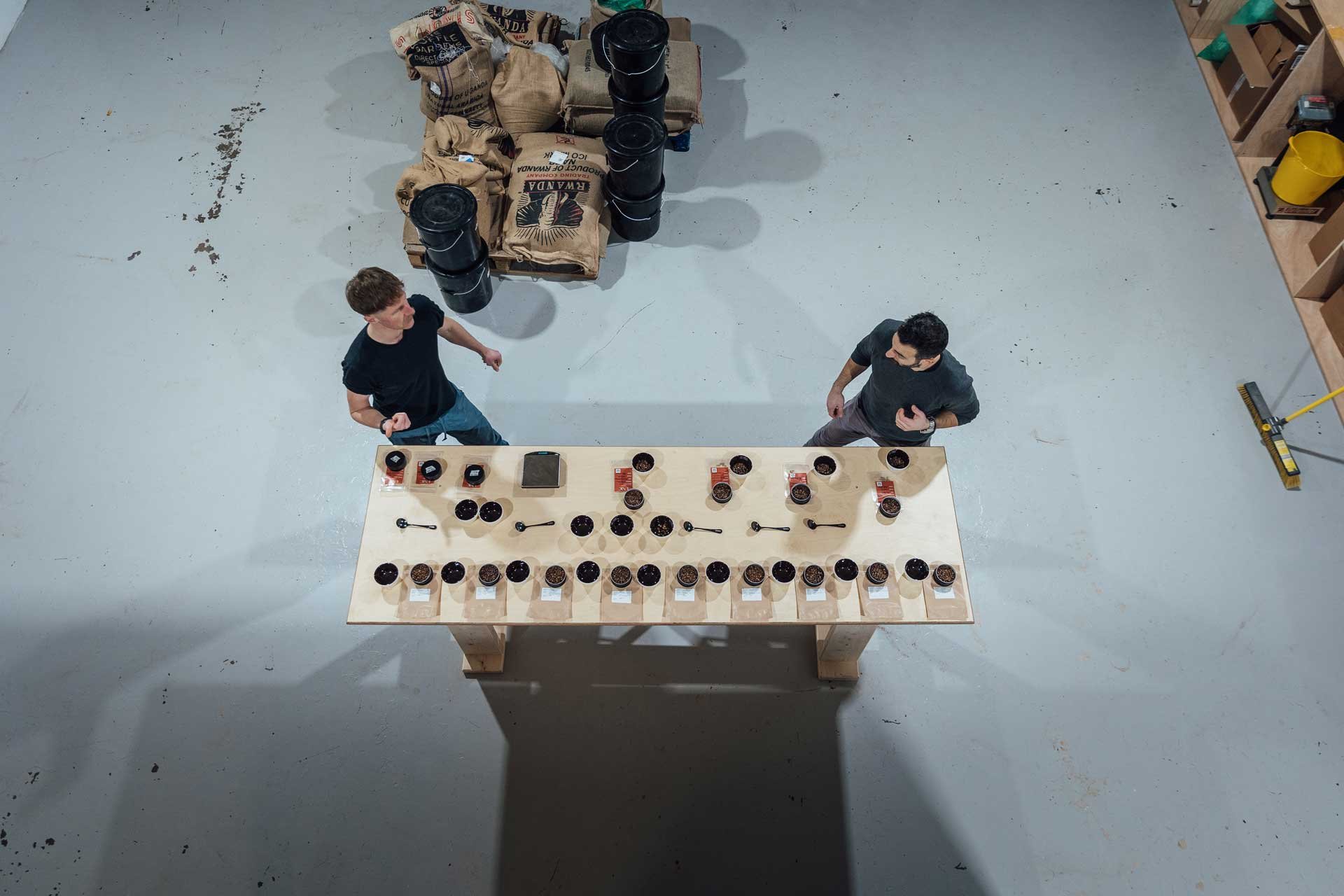
Roasteries across the region are crafting coffees bursting with flavours reminiscent of retro sweets and fruit cocktails. North Shore’s Colombian Jairo Arcila is co-fermented with honey, wine yeast and watermelon pulp, resulting in a brew with juicy notes of watermelon, cherry and kombucha. Hundred House’s Freak & Unique series, meanwhile, regularly showcases coffees treated to controlled, multi-stage fermentations that unlock flavours of lime cordial, lemongrass and wild strawberry.
Casa Coffee Roasters is in on the experimental processing too. Its Indonesian Sesongot Gayo coffee undergoes 20–25 days of anaerobic fermentation at origin to develop rich, fruity and boozy characteristics. Another of its coffees, the Colombian Linarco Rodriguez, spends 72 hours fermenting before being solar dried for 25 days. Once roasted, it delivers notes of rum baba and smoky grilled pineapple.
Next-gen bakeries
The relationship between coffee and carbs has always been close, but the kinds of cafes that serve speciality coffee are often destinations that also craft house-made pastries, naturally leavened bread and impressive patisserie.
Behind all this kneading, mixing and lamination is an obsession with ingredients and process. At TUCK in Lancaster, stoneground flour and British produce take centre stage in bakes like wholegrain puff-pastry sausage rolls and honey-nut-crunch cruffins stuffed with cereal-milk custard and honey caramel. In Newcastle, PureKnead gives its famed sourdough 48 hours of fermentation before hitting the oven.
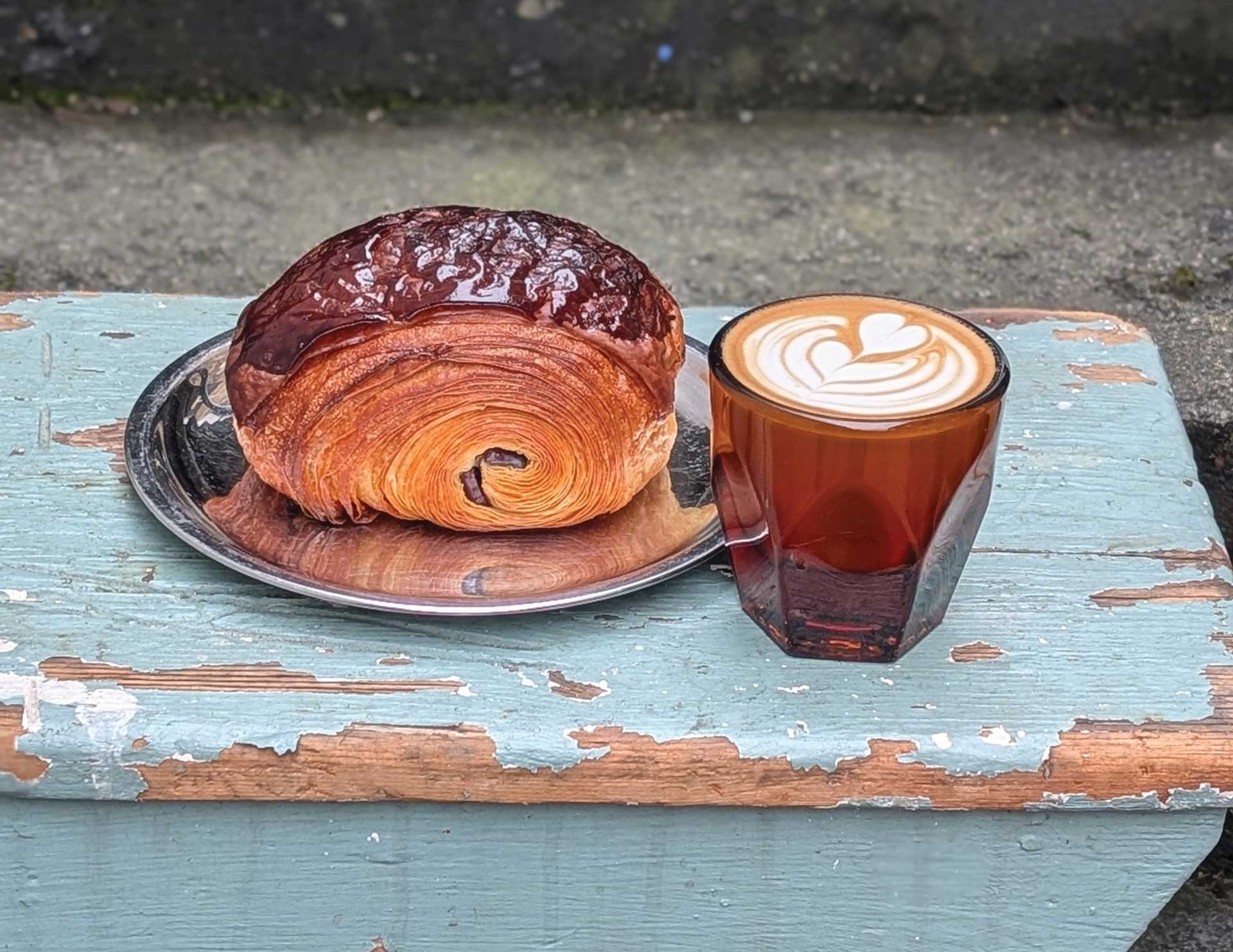
Bagels are back. While sandwiches remain a firm fave – the term ‘sandos’ is increasingly infiltrating cafe menus – freshly baked bagels are having a (w)hole moment. At Manchester’s SMOAK, they’re baked each morning and served stuffed with fillings prepped in-house, such as salt beef that’s been cured for 30 days.
Commuters passing through Sutton Coldfield Station in Birmingham can get their fix at Folklore Coffee and Bagels. And it would be remiss to leave out The Steamhouse, an indie empire that now numbers a dozen bagel and coffee houses.
The art of dialing down
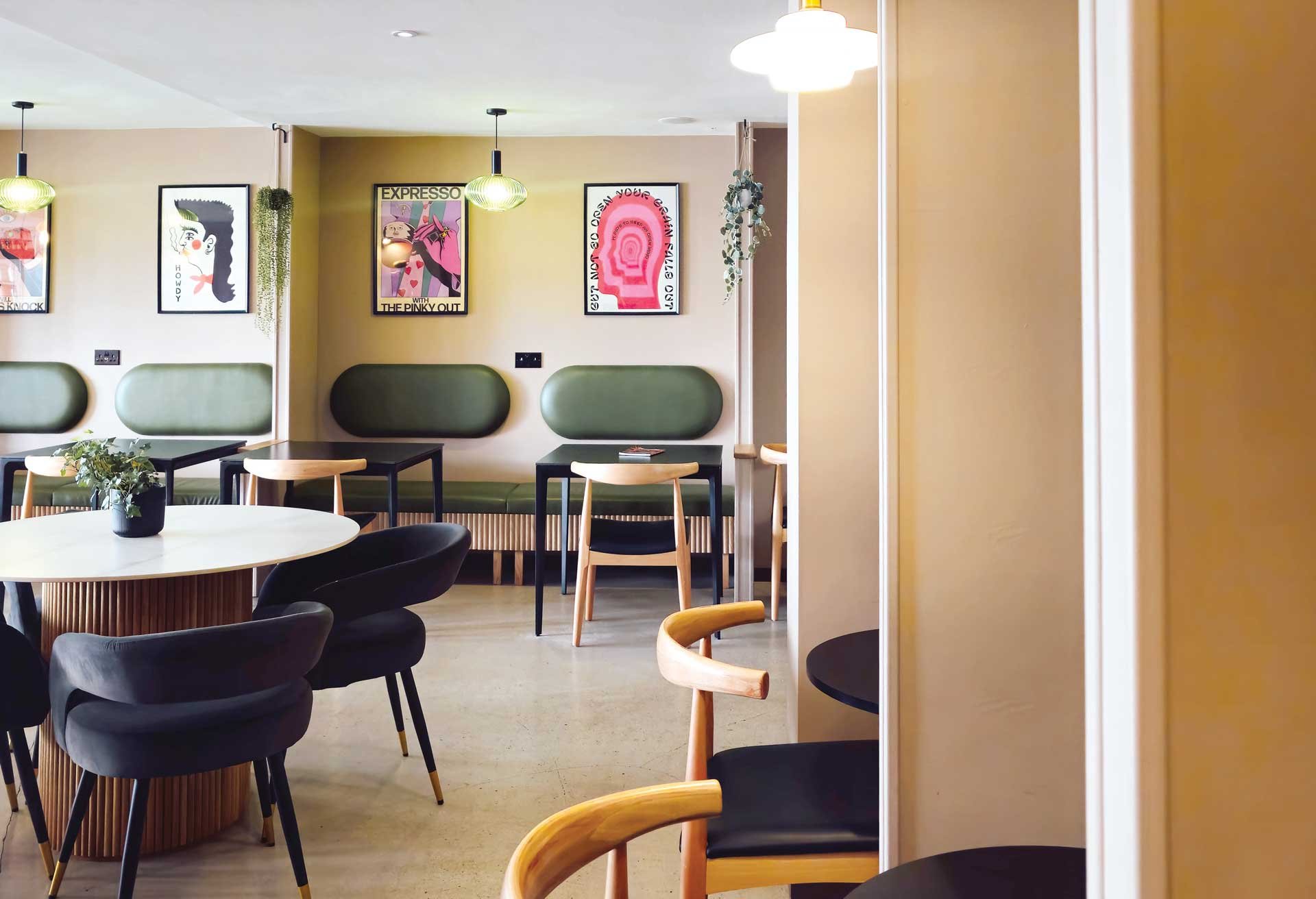
The drinks may be getting bolder, but the spaces they’re served in are being dialled down. Cafes have become laidback environments designed for lingering and conscious coffee moments.
At Lateral in West Kirby, a considered home-from-home atmosphere invites visitors to switch off. Similar vibes flow through sister cafe Wylde, which also encourages a live-slow ethos.
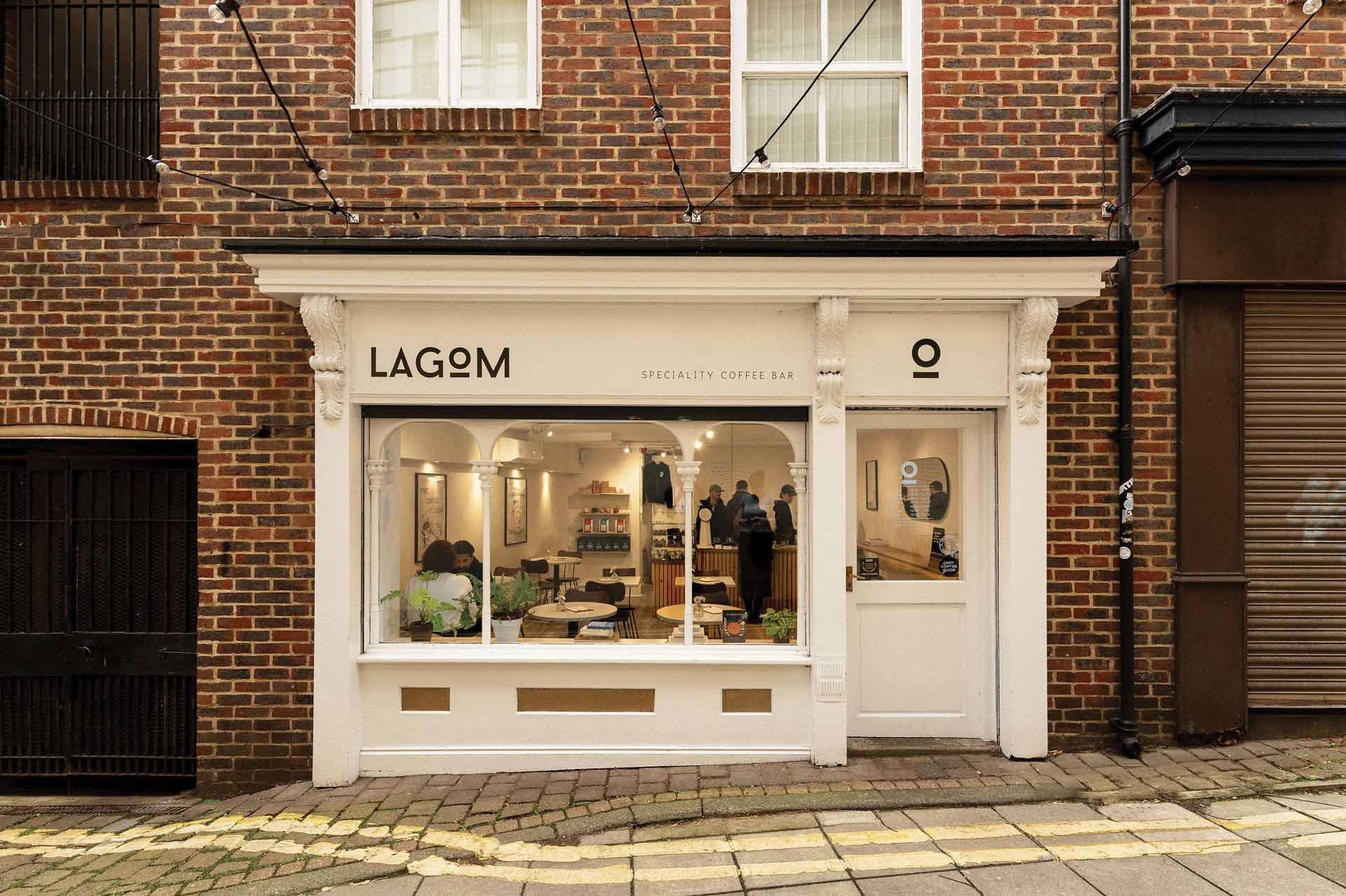
Lagom Speciality Coffee Bar in Newcastle takes its name from the Swedish concept of having just the right amount – neither too much, nor too little. Its minimalist vibe is paired with pops of playful artwork and warm hospitality. Perched on the shoreline overlooking Morecambe Bay, BEACH is a pearl-in-the-oyster find for Red Bank brews and beguiling views. Inside, calm, muted interiors and floor-to-ceiling windows let the dramatic seascape do the talking.
Shrooma takes the mindful approach one step further. At the Oswestry cafe, adaptogenic drinks are made using medicinal mushrooms grown on the cafe’s urban farm. They’re turned into tinctures by a specialist partner and served in a zen-inducing space that encourages slow and intentional sipping.
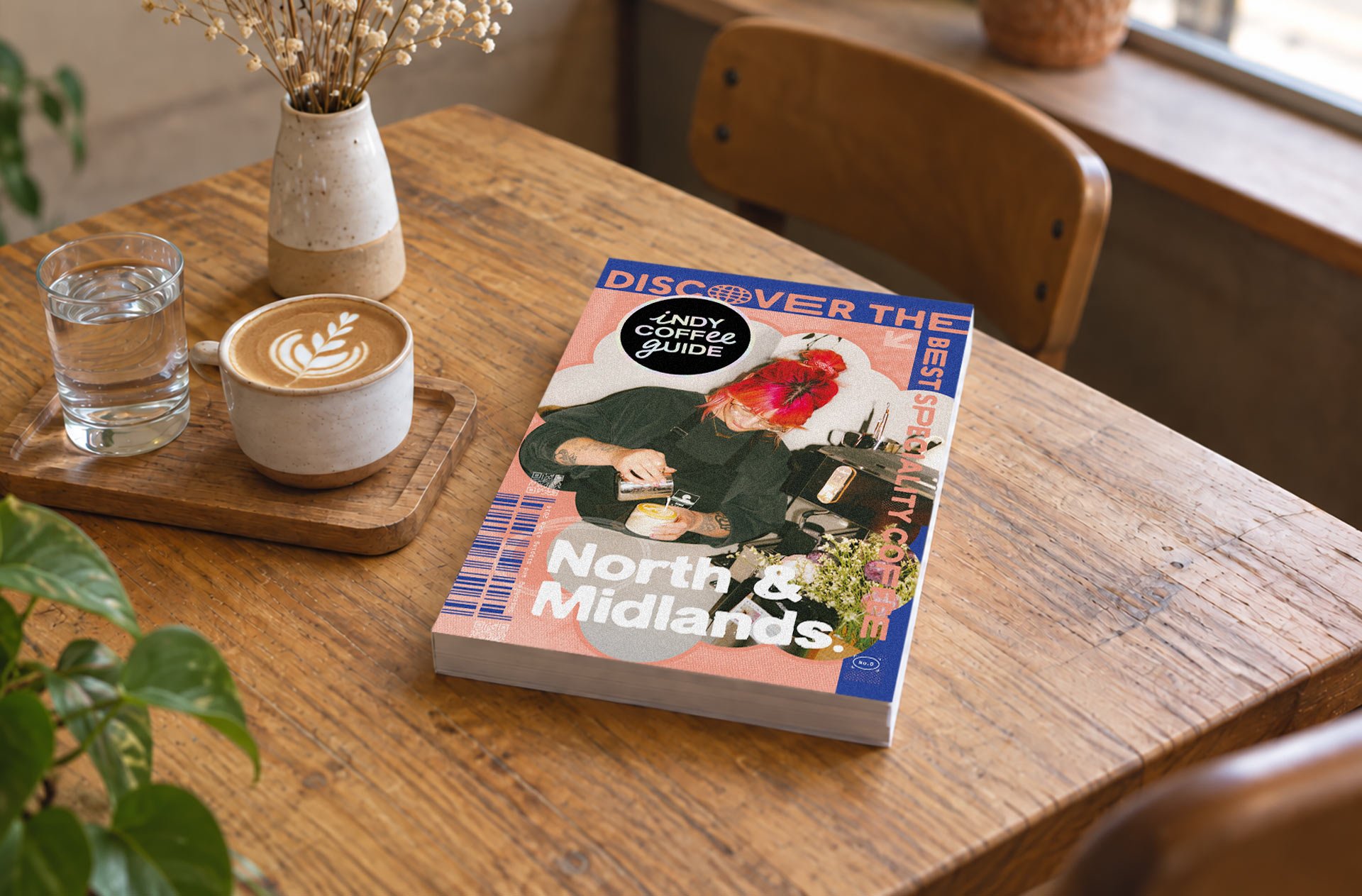
Start your coffee journey with the spanking-new Indy Coffee Guide North & Midlands No9.