We’ve conducted research which reveals that independent cafes beat Starbucks on price and quality, serving superior brews for up to 30 per cent less than major chains
Readers of the Indy Coffee Guides already know that an experience at an indie coffee shop far outweighs that of a commodity cafe. From the quality of the coffee and food served to the unique interiors and warm hospitality, every venue featured in the guidebooks offers a completely novel experience – the opposite of what’s found in identikit chains. The cherry on top? These new findings reveal that indies also trump chains when it comes to cost.
The price gap between chains and independents
After analysing prices at over 65 independent speciality cafes across the South of England and comparing them to the three big chains, the proof is in the pours.
A latte from an independent coffee shop averages £3.79 compared to £4.10 at Caffè Nero, £4.40 at Costa and £4.75 at Starbucks. Flat whites follow the same pattern: £3.61 at independents versus £4.70 at Starbucks – a 30 per cent difference.
For anyone who drinks a latte a day, that small gap adds up fast. What would cost around £1,383 a year at an independent cafe would be £1,734 at Starbucks. That saving of £350 is enough for 92 extra lattes, a weekend break to Amsterdam or a year’s streaming service subscription.
Better coffee for less money
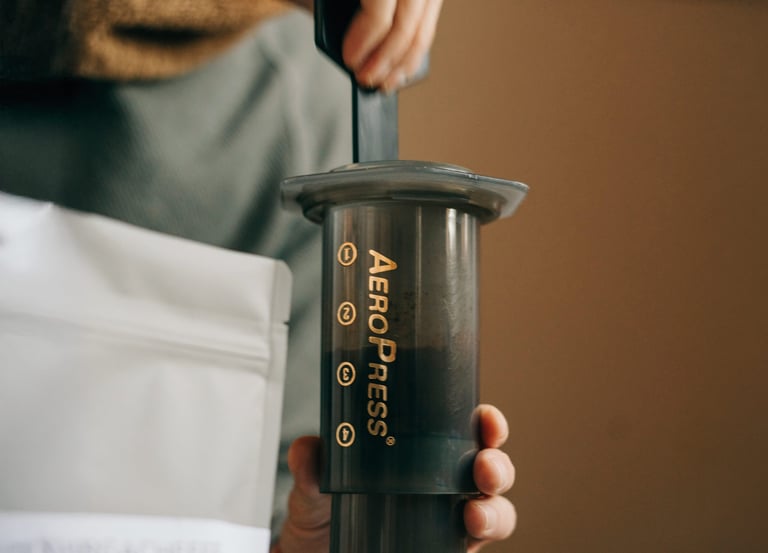
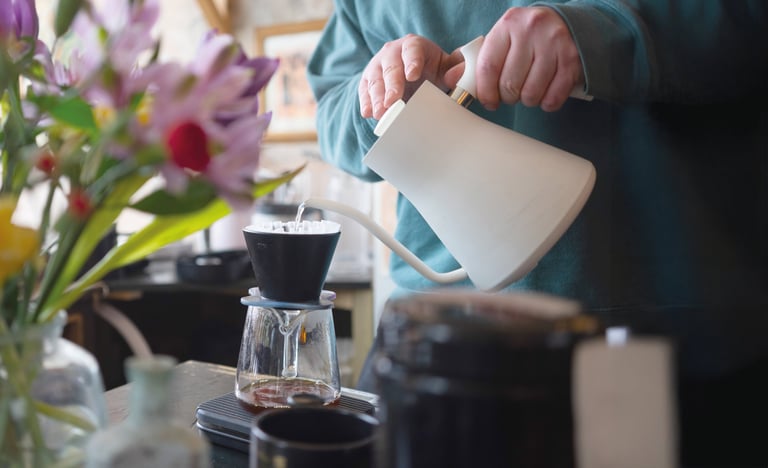
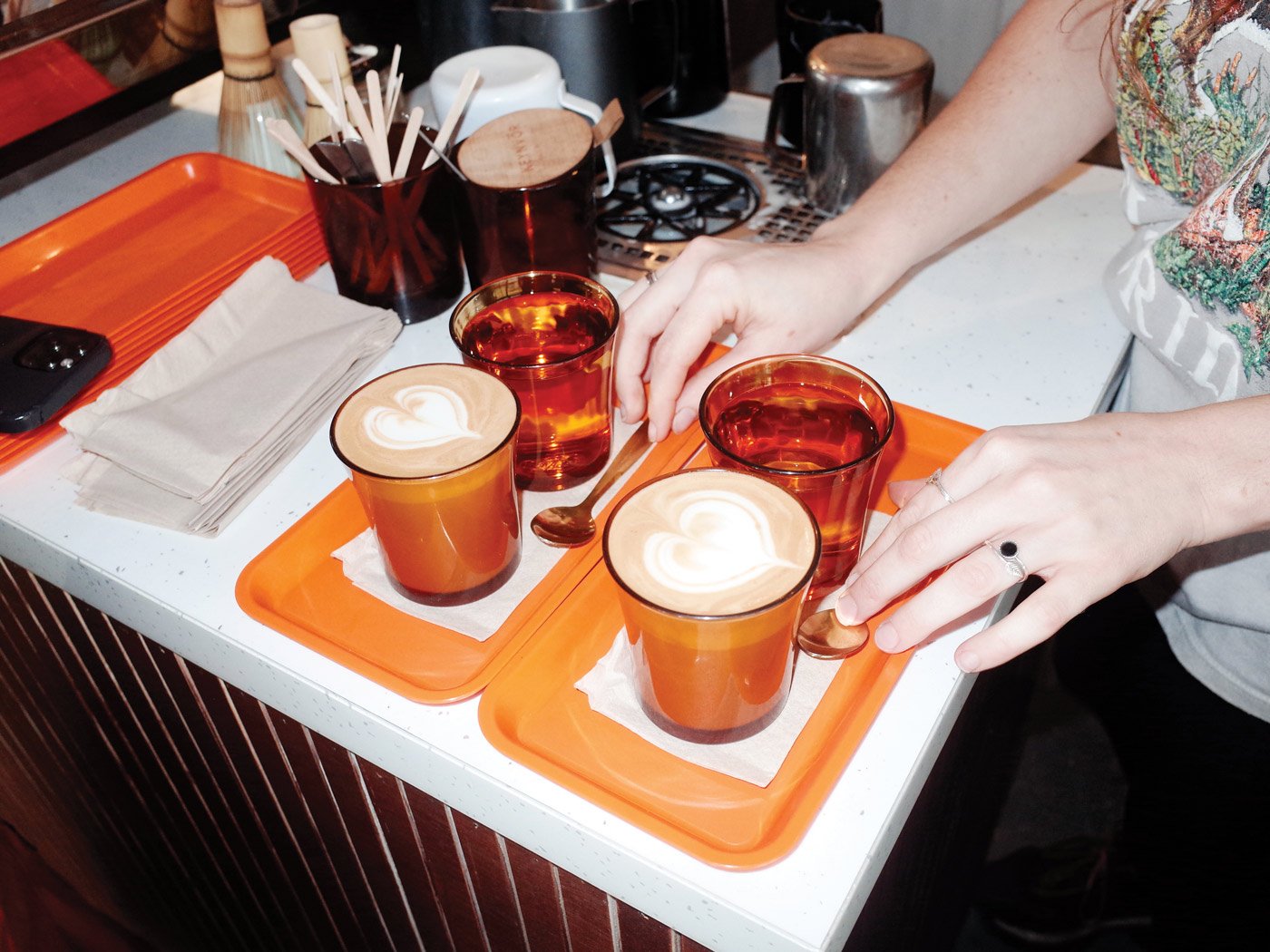
Independents aren’t just cheaper, but they also deliver a far superior brew in terms of quality, sustainability and support for farmers at origin. Every cafe in this survey uses speciality-grade beans sourced from independent roasteries. These speciality roasteries source green coffee beans from small farms across the coffee-growing belt, where the crops are nurtured with great attention to detail. They’re then lightly roasted to preserve the specific characteristics that are the result of the terroir in which they were grown. After arriving at the cafes, the beans are treated with great care by baristas using first-rate machines and brewing equipment, serving the coffee in a way that respects the journey from origin to cup.
By contrast, the chains rely on commodity-grade beans, automated equipment and minimal training – the result being coffee without nuanced flavours, consistent quality or beautiful latte art.
Why are chains more expensive?
We’ve been conditioned to believe that larger scale means lower prices, that bulk buying and slick logistics equal savings for the customer. But it’s not the case.
Independents often choose slightly less central (but still convenient) locations with lower rent, giving them more price flexibility. They also set their own prices based on local demand rather than corporate targets. In other words, they’re free to focus on value rather than shareholder profit.
Multi-site indies prove the point
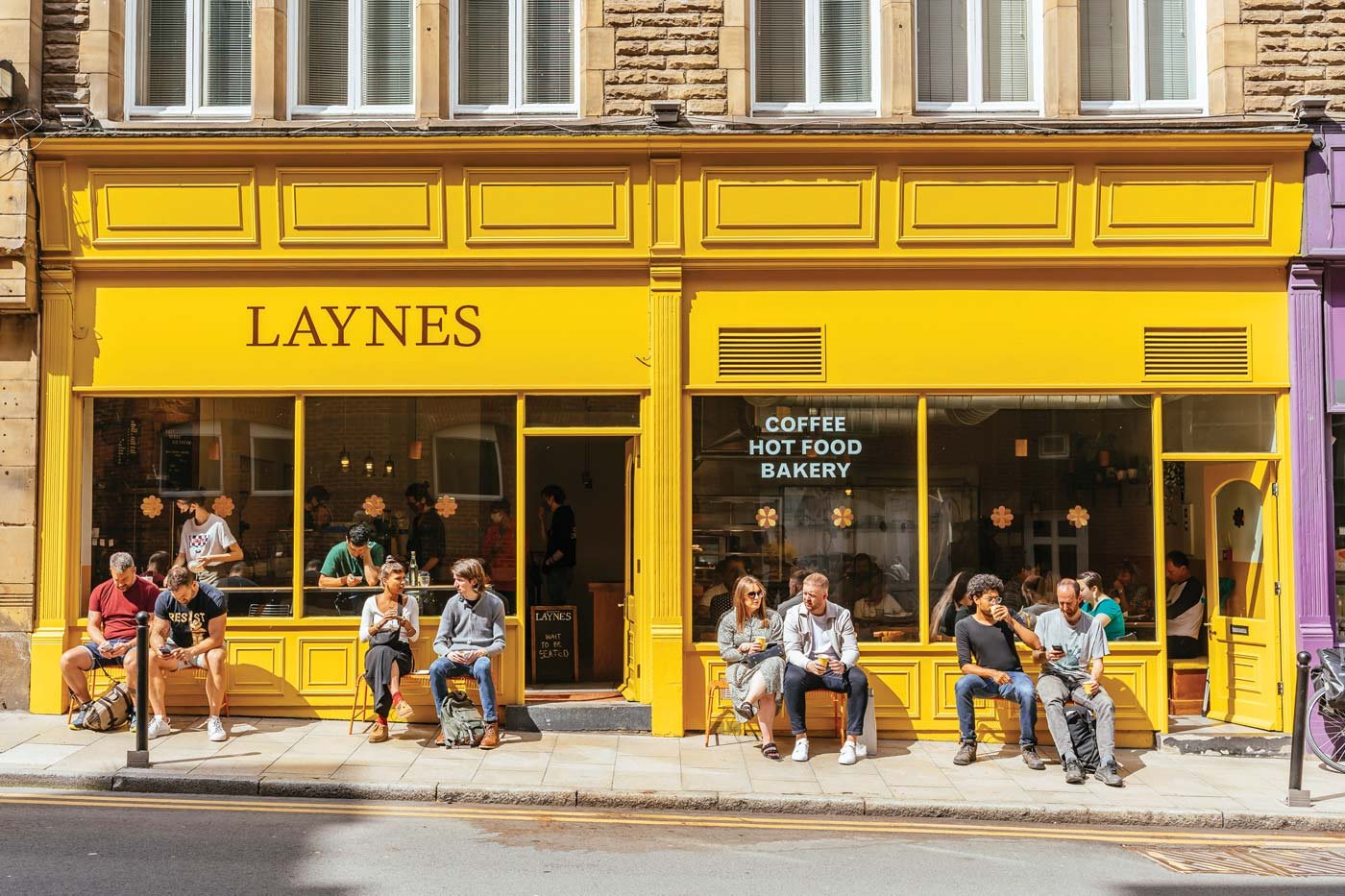
Independent multi-site cafes maintain consistent, affordable prices. The Colombian Company has four locations across Bath and Bristol and offers £3.90 lattes across all venues – £0.85 cheaper than Starbucks. The same is true for Coffee Under Pressure, a cafe with four sites across Bristol and Reading, which serves brews that are £1.25 cheaper than Starbucks. Finca’s five locations across Dorset and Somerset prices its cups at £1.15 cheaper than the chain.
Espresso: the only exception
Speciality ‘spros are the exception. Espressos at independents average at £2.93 compared to £1.95–£2.20 at chains. But it’s not a like-for-like comparison. Chains serve single shots using commodity beans on automated machines. Independents serve double shots of speciality-grade beans, carefully extracted for balance and flavour. You’re paying only a little more for coffee that’s remarkably better.
More reasons to support independents
Choosing to slurp the good stuff in indies isn’t just good for your wallet; it’s also good for the community. Money spent in local cafes stays local – it supports local employment, small suppliers and the regional economy.
Independent cafes also tend to follow more sustainable practices, whether that’s through the use of reducing packaging and waste or serving takeout coffee from biodegradable or reusable cups.
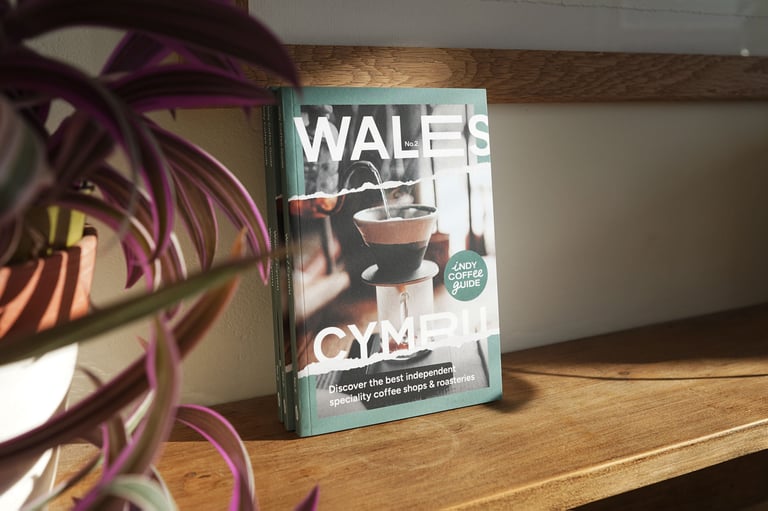
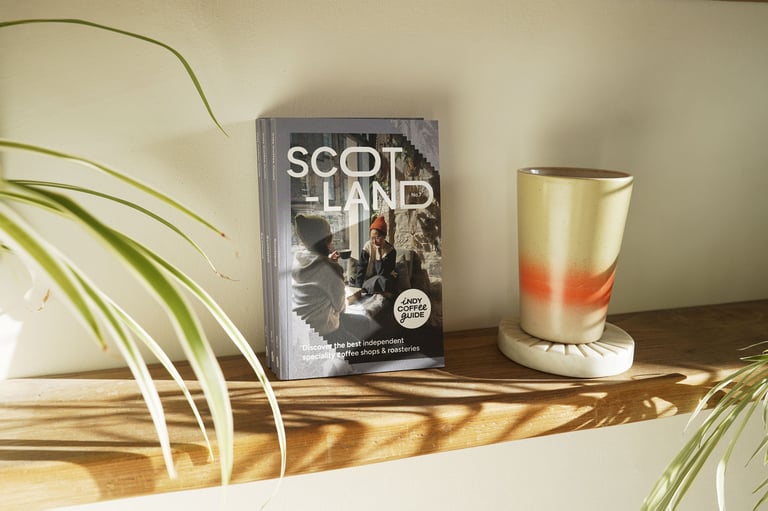
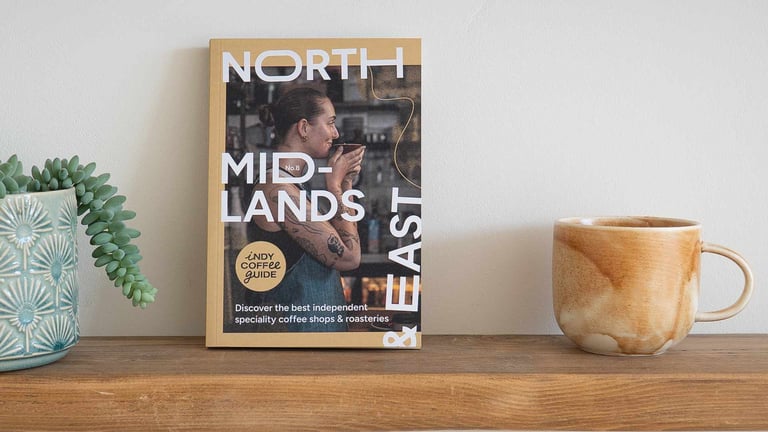
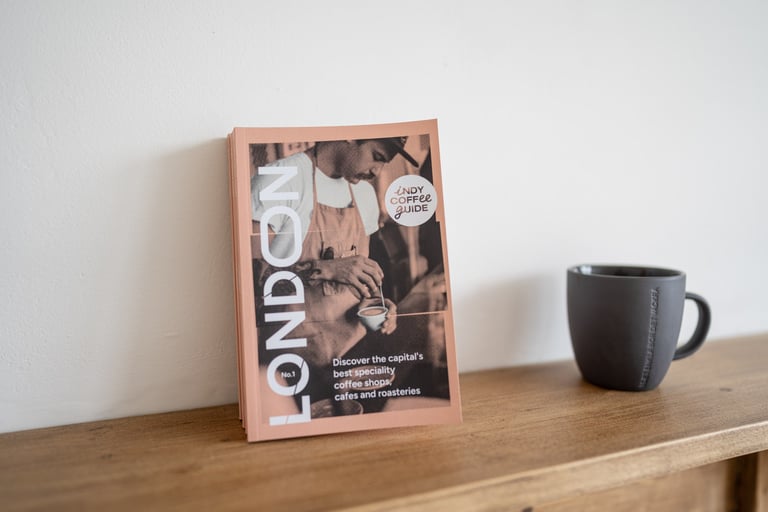
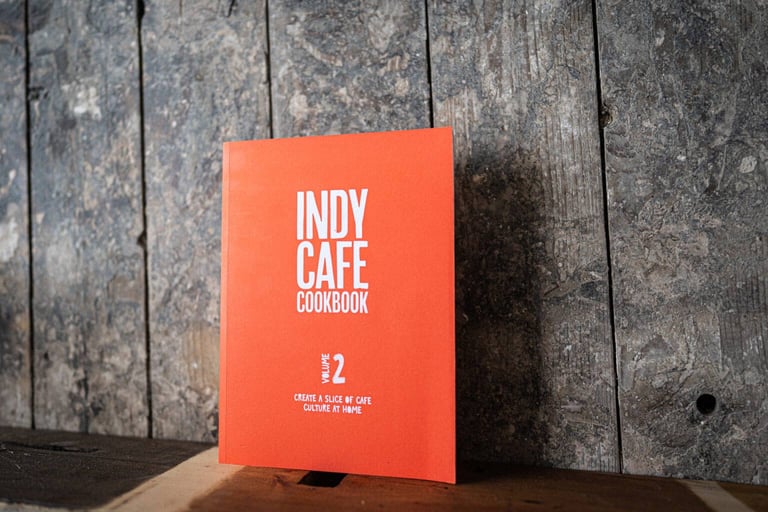
Get the full range of Indy Coffee Guides to discover the best places to drink speciality coffee at independently owned cafes in the UK.